Pneumonia remains a major health concern in Hong Kong, ranking as the second leading cause of death.[^5^] Among its common culprits is Streptococcus pneumoniae, or pneumococcus, which can lead to severe illnesses beyond just pneumonia.[^6^]
The Prevalence of Invasive Pneumococcal Disease (IPD)
In Hong Kong:
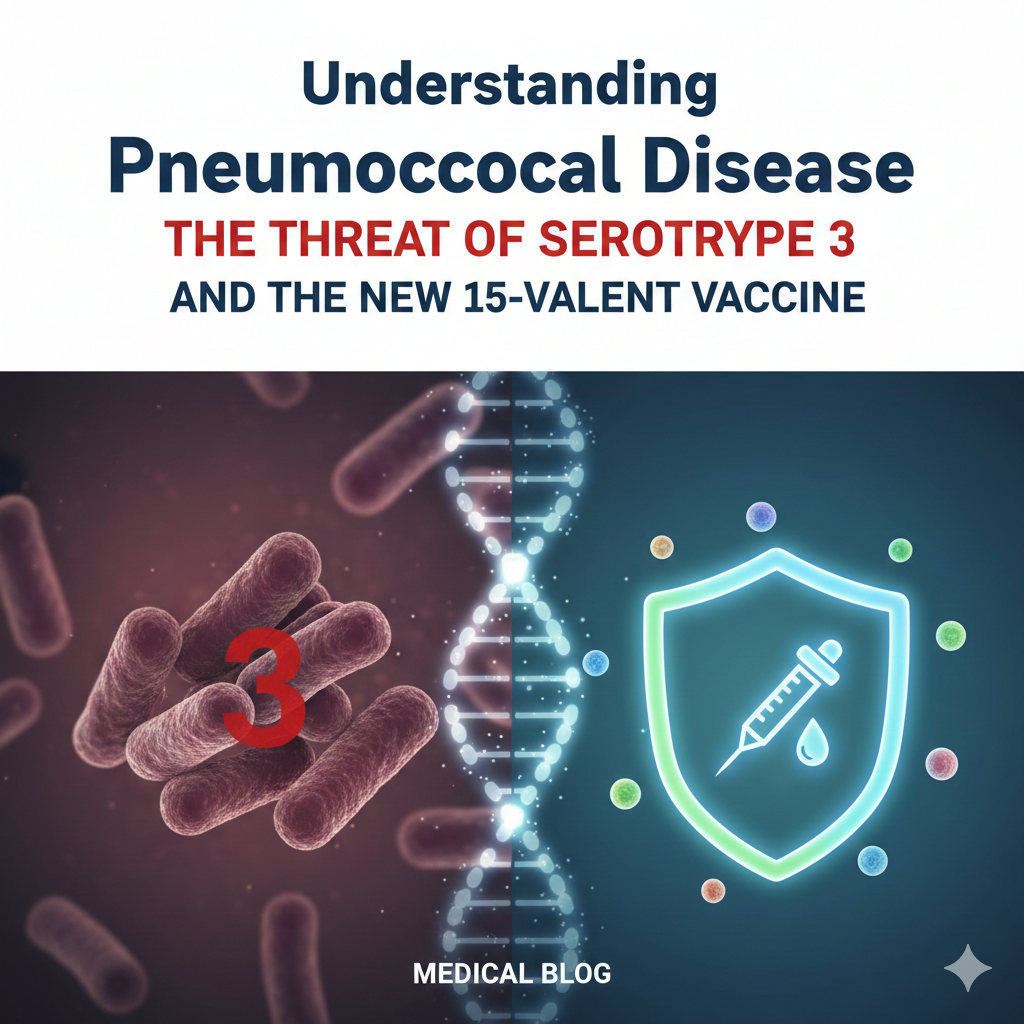
- For children (17 years or younger), 59%-68% of IPD cases are caused by serotype 3.
- For adults (50 years or older), it’s 36%-48%.
Data from 2016-2020 shows serotype 3 as the most common cause of adult IPD.[^8^] This bacterium can invade critical areas, causing:
- Meningitis (brain membrane invasion)
- Bacteremia (bloodstream infection)
Tragically, IPD caused by serotype 3 has a mortality rate of 30%-47%.
Why Does Serotype 3 Persist Despite Vaccination Programs?
Pneumococcal vaccines have been part of Hong Kong’s Childhood Immunisation Programme for over 10 years and the Adult Vaccination Subsidy Scheme for over 5 years. Yet, serotype 3 continues to thrive. Why?
- Serotype 3 has a thicker polysaccharide capsule than other types, enhancing its virulence and ability to evade the immune system.
- It requires eight times or more antibodies for effective protection compared to other serotypes.
Introducing the New 15-Valent Pneumococcal Conjugate Vaccine
This advanced vaccine targets serotype 3 more effectively with upgraded technology.
Vaccination Methods
- For adults or children 12 years and older: One intramuscular injection, preferably in the deltoid muscle.
- For infants:
- Schedule 1: 3 doses – first at 6-12 weeks, second after 8 weeks, booster at 11-15 months.
- Schedule 2: 4 doses – first at 6-12 weeks, next two at 4-8 week intervals, booster at 11-15 months after at least 2 months from the third.
It can be administered alone or with inactivated influenza vaccine* or routine infant vaccines#.
Very common side effects (usually mild and short-lived): Injection site pain, swelling, redness; fatigue; muscle pain; headache; joint pain.
*Applicable to infants under 2 years, including at 15 months, 4 years, and 8 years, for vaccines against hepatitis B, Haemophilus influenzae type b, measles, mumps, rubella, varicella, and rotavirus.
*For adults 15 years and older.
High-Risk Groups for Pneumococcal Infection
- Children under 5 and adults over 50.
- Those with chronic conditions: Cardiovascular disease*, lung, liver, or kidney disease.
- Metabolic disorders: Diabetes or obesity (BMI ≥30, excluding uncomplicated hypertension).
- Weakened immunity: HIV/AIDS, cancer.
- Neurological conditions impairing breathing.
- History of IPD, CSF leak, or cochlear implants.
Common Questions
What’s Different About the 15-Valent Vaccine?
Beyond covering more serotypes, it uses next-generation tech to induce a stronger immune response against serotype 3 – Hong Kong’s “superbug.”
Is a Higher-Valent Vaccine Always Better?
Not necessarily. Studies show higher-valent vaccines may produce lower immune responses than lower ones. WHO recommends considering local serotype prevalence. Consult your doctor.
Switching from Other Vaccines?
Infants can switch to the 15-valent at any point in their schedule for added protection.
Co-Administration with Flu or COVID Vaccines?
Adults can co-administer with flu vaccine at different sites. For COVID, evidence is limited; Hong Kong’s Department of Health suggests at least 14 days apart. Check with your doctor.
Recognizing Pneumonia
Pneumococcus spreads via droplets and can cause otitis media, sinusitis, meningitis, or sepsis.[^4-6^] Over 80% of hospitalized IPD patients face severe complications like septic shock or ventilator needs.[^17^] >95% of pneumonia deaths are in those over 65.
Serotype 3’s “Triple High” Risks: High mortality, severity, and hospitalization.
High-risk factors include smoking, excessive alcohol, low immunity, obesity, cancer, and chronic diseases like lung/kidney issues, diabetes, or cardiovascular problems.
Why Target Serotype 3 Precisely?
- Most Common: Leading cause of IPD in Hong Kong children/adults and Chinese adults.
- Antibiotic Resistance: Reduces treatment options.
- Stronger Virulence: Thicker capsule evades immunity.
Despite inclusion in programs, it persists.Recent data: 44% of IPD cases.
Protect yourself and loved ones – discuss vaccination with your healthcare provider today.